


The Evolution of Migration Policies in Eastern Germany

The Evolution of Migration Policies in Eastern Germany
⏱ 3 min read
Executive Summary
Recent migration policies in Eastern Germany reflect a complex interplay of historical disenchantment, political shifts, and societal challenges. As trust in traditional parties wanes, new approaches to migration and integration are being scrutinized, aiming to address long-standing grievances and foster inclusivity.
Strategic Context
Historical Disenchantment and Political Shifts
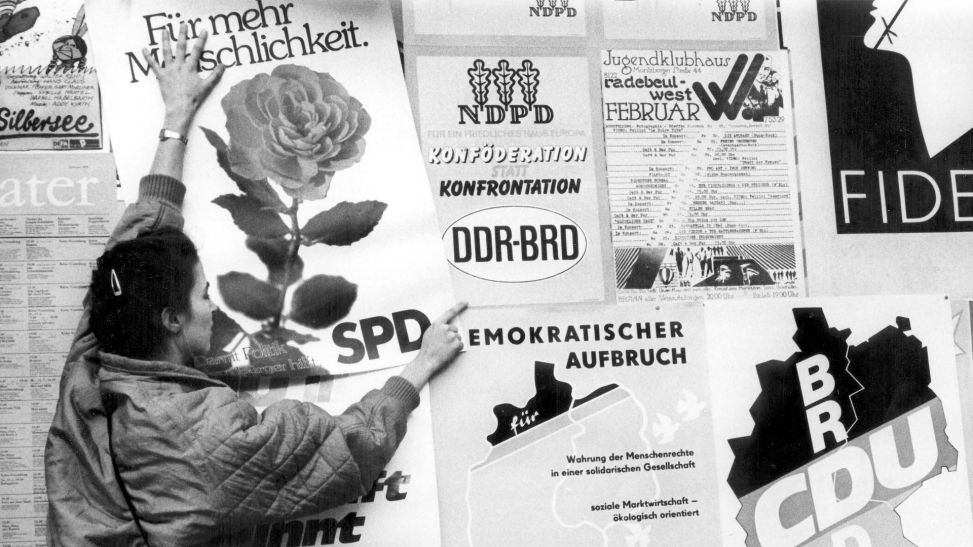
Eastern Germany has experienced significant political and social transformations since reunification in 1990. Initially, the CDU and SPD dominated the political landscape, capturing 70% of votes in the region during the 1994 federal elections. However, by 2025, their combined support had plummeted to 30%, highlighting a profound loss of trust among Eastern German voters.
Key moments of disenchantment, such as the ignored results of local referendums in the 1990s and the closure of industries like the Kali mines in Bischofferode, contributed to a growing sense of alienation. This was compounded by perceptions of Western dominance in political representation and decision-making, leaving many Eastern Germans feeling unheard and marginalized.
In-Depth Analysis
Migration Policies and Their Role in Political Discontent
Migration has been a contentious issue in Eastern Germany, often serving as a flashpoint for broader societal frustrations. During the Yugoslavian civil war in the 1990s, local leaders voiced concerns about the strain on resources but felt ignored by federal authorities. This pattern repeated during the 2015 refugee crisis, where inadequate communication and support exacerbated tensions in communities like Heidenau.
The rise of the AfD in Eastern Germany can be partially attributed to these migration-related grievances. The party capitalized on fears of overburdened infrastructure and cultural displacement, positioning itself as a defender of Eastern German interests. Meanwhile, traditional parties like the CDU and SPD struggled to address these concerns effectively, further eroding trust.
Recent documentaries, such as the ARD’s “Volksparteien ohne Volk,” highlight the need for a more inclusive dialogue on migration. By examining past failures, policymakers are beginning to recognize the importance of engaging local communities and addressing their specific needs and fears.
Impact on Migrants
Legal and Social Implications for Migrants
For migrants and refugees, these shifts in policy and public sentiment have tangible consequences. Stricter migration laws and reduced support in certain regions reflect the growing influence of anti-immigration rhetoric. This can lead to challenges in accessing housing, education, and employment opportunities, particularly in areas where resources are already stretched thin.
However, there are also signs of progress. Efforts to improve communication between local governments and communities aim to foster understanding and reduce tensions. Initiatives promoting cultural exchange and integration are being explored, offering hope for a more inclusive future where migrants can contribute positively to society.
Outlook & Conclusion
As Eastern Germany grapples with its political and social identity, migration policies remain a critical area of focus. By learning from past mistakes and fostering open dialogue, there is potential to rebuild trust and create a more equitable system that benefits both migrants and local communities. The upcoming elections will serve as a litmus test for these efforts, shaping the region’s trajectory for years to come.

Prepared & Analyzed by: Migration Policy Unit | AboMatrix