


The Illusion of Solved Migration: A Critical Examination of Germany’s Asylum Policy
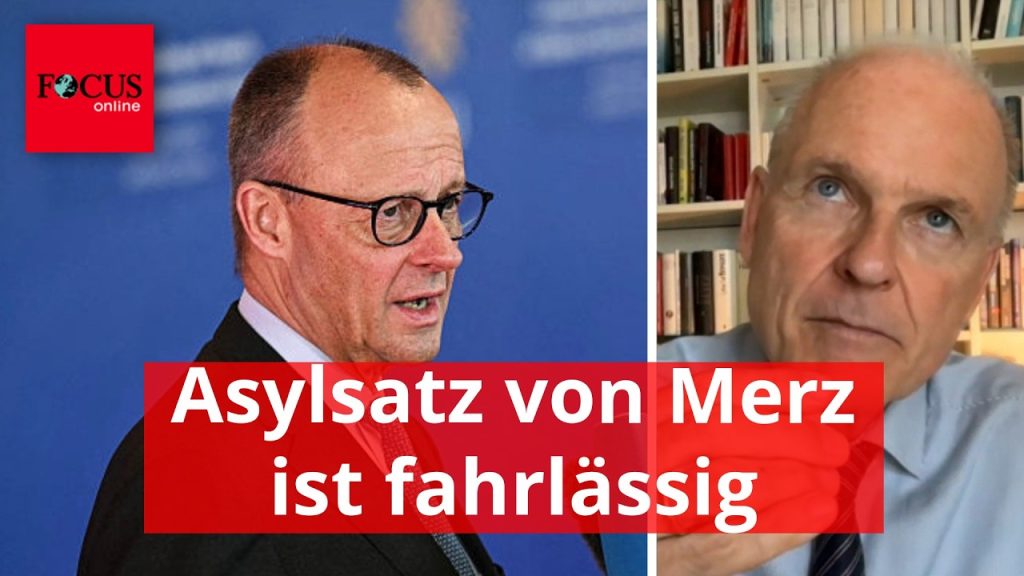
This briefing critically evaluates the recent claims by German Chancellor Friedrich Merz that the migration issue in Germany has been resolved. Despite a reported decre...

The Illusion of Solved Migration: A Critical Examination of Germany’s Asylum Policy
⏱ 5 min read
Executive Summary
This briefing critically evaluates the recent claims by German Chancellor Friedrich Merz that the migration issue in Germany has been resolved. Despite a reported decrease in asylum applications, the underlying structural challenges remain unaddressed. This analysis highlights the limitations of national control over migration within the framework of European Union law, the inadequacies of current policies, and the ongoing social implications for migrants and refugees in Germany.
Strategic Context
Germany has long been a focal point for migration and asylum in Europe, particularly following the 2015 refugee crisis that saw a significant influx of asylum seekers. The political landscape has been shaped by various factors, including humanitarian obligations, economic needs, and public sentiment towards migration. Recent developments, including the end of the Syrian civil war, have contributed to a decrease in asylum applications, leading to claims by political leaders that the migration crisis has been resolved. However, this perspective overlooks the persistent structural challenges that continue to affect the integration and management of migrants in Germany.
The legal framework governing migration in Germany is heavily influenced by European Union regulations, which impose strict guidelines on asylum processes and the rights of migrants. As a member of the EU, Germany is bound by the Common European Asylum System (CEAS), which complicates national efforts to unilaterally address migration issues. The interplay between national policies and EU directives has created a complex environment where local solutions are often inadequate, leading to a situation where many migrants remain in limbo, unable to secure asylum or return to their countries of origin.
Deep Analysis
The assertion by Chancellor Merz that Germany has solved its migration problem is fundamentally flawed. While the reduction in asylum applications from over 300,000 to approximately 168,000 is notable, it does not reflect a comprehensive resolution of the underlying issues. The reality is that many individuals who do not qualify for asylum still remain within the German support system, creating a paradox where the numbers may decrease, but the structural challenges persist. This situation is exacerbated by the existence of hundreds of thousands of individuals who are subject to deportation but remain in Germany due to the practical difficulties of enforcing such measures.
Moreover, the influence of EU law on national asylum policies cannot be overstated. The assertion that there is no longer a distinct German asylum law but rather a European framework highlights the limitations of national sovereignty in addressing migration. Decisions regarding asylum applications are increasingly made at the EU level, which constrains Germany’s ability to implement tailored solutions that address its unique demographic and economic needs. This disconnect between national rhetoric and the reality of EU governance creates a significant gap in policy effectiveness, as local authorities struggle to navigate the complexities of EU regulations while addressing the needs of migrants.
Additionally, the political motivations behind the statements made by Chancellor Merz and Interior Minister Dobrindt warrant scrutiny. The reduction in asylum applications may be leveraged to project an image of effective governance, yet it risks oversimplifying a multifaceted issue. The narrative that migration has been ‘solved’ may serve to placate public concerns and political opposition, but it ultimately undermines the seriousness of the challenges that remain. The rise in foreign crime statistics further complicates this narrative, as it raises questions about the integration of migrants and the social tensions that can arise from perceived failures in managing migration effectively.
Impact on Migrants
The implications of the current asylum policy landscape in Germany are profound for migrants and refugees. Many individuals who arrive in Germany seeking protection find themselves in a precarious situation, often unable to secure legal status despite being in the country for extended periods. The lack of a clear pathway to asylum or integration can lead to social marginalization, economic instability, and mental health challenges for these individuals. The ongoing uncertainty surrounding their legal status can also hinder their ability to access essential services, including healthcare, education, and employment opportunities.
Furthermore, the rhetoric surrounding the ‘solved’ migration issue may contribute to a climate of fear and stigmatization for migrants. As political leaders emphasize the reduction in asylum numbers without acknowledging the ongoing challenges, it risks fostering a narrative that dehumanizes those seeking refuge. This can lead to increased social tensions and xenophobia, further complicating the integration process and undermining the contributions that migrants can make to German society. The failure to address these issues comprehensively not only affects the lives of migrants but also has broader implications for social cohesion and public trust in governmental institutions.
Outlook & Conclusion
Looking ahead, it is crucial for policymakers in Germany to adopt a more nuanced understanding of migration and asylum issues. Rather than proclaiming a resolution to the migration problem, there is a pressing need for comprehensive strategies that address the structural challenges inherent in the current system. This includes enhancing cooperation with EU partners to develop more effective asylum processes, improving integration programs for migrants, and addressing the root causes of migration. Acknowledging the complexities of migration and fostering a more inclusive dialogue will be essential for creating a sustainable and humane approach to migration in Germany.
Anchor Source: focus.de | Analyzed by AboMatrix AI Engine