


The Rise of Authoritarian Migration Policies in Europe: Analyzing the New Deportation Regulation
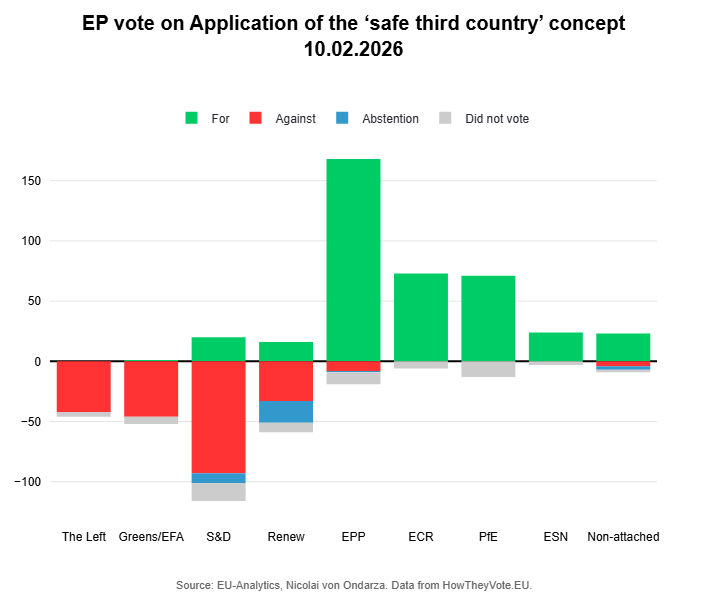
On March 26, 2023, the European Parliament endorsed a controversial new deportation regime that significantly expands detention and policing measures targeting undocume...

The Rise of Authoritarian Migration Policies in Europe: Analyzing the New Deportation Regulation
⏱ 5 min read
Executive Summary
On March 26, 2023, the European Parliament endorsed a controversial new deportation regime that significantly expands detention and policing measures targeting undocumented migrants. This legislative development, influenced by far-right political groups, raises concerns about the erosion of civil liberties and the normalization of authoritarian practices within the EU. The proposed law mandates the detection of undocumented individuals in various public spaces and introduces extensive surveillance measures, signaling a shift towards a more repressive migration policy framework. As negotiations continue among EU member states, the implications for migrants and the broader European society remain profound and troubling.
Strategic Context
The political landscape in Europe has been increasingly shaped by the rise of far-right parties, which have leveraged public anxiety over migration to gain influence. This shift has been marked by a growing acceptance of harsh immigration policies, including mass deportations and increased surveillance. The recent endorsement of the Deportation Regulation by the European Parliament reflects a significant departure from previous norms, as it intertwines the legislative process with far-right ideologies, thereby challenging the foundational values of the European Union. The collaboration between mainstream conservative parties and far-right factions has sparked controversy and raised alarms about the future of democratic governance in Europe.
Historically, the EU has prided itself on upholding human rights and the rule of law, particularly in relation to migrants and refugees. However, the increasing normalization of punitive measures against undocumented individuals indicates a troubling trend towards authoritarianism. The proposed legislation not only expands detention periods but also introduces invasive policing measures that risk institutionalizing racial profiling. As the EU grapples with its identity in the face of rising populism, the implications of such policies extend beyond migrant communities, potentially affecting the civil liberties of all European citizens.
Deep Analysis
The endorsement of the Deportation Regulation represents a critical juncture in European migration policy, characterized by a shift towards punitive measures that prioritize enforcement over humanitarian considerations. The law’s provisions for extensive surveillance and the establishment of ‘return hubs’ echo practices seen in countries like the United States and Australia, where the treatment of migrants has often been criticized for its inhumanity. This alignment with authoritarian practices raises questions about the EU’s commitment to human rights and its ability to uphold the values it claims to champion.
The political motivations behind this legislation are multifaceted. On one hand, mainstream political parties are seeking to appease far-right constituents by adopting stricter immigration policies. On the other hand, the far-right has successfully infiltrated the legislative process, leveraging their influence to push for measures that reflect their anti-immigrant agenda. The leaked communications revealing collaboration between conservative and far-right lawmakers illustrate a concerning erosion of political boundaries that have historically separated moderate and extremist views. This convergence not only threatens the integrity of democratic institutions but also undermines public trust in the political process.
Furthermore, the financial implications of implementing such a comprehensive deportation regime are significant. The projected costs associated with expanding detention facilities, increasing policing powers, and facilitating deportation flights will likely burden taxpayers. The EU’s Border and Coast Guard agency, Frontex, has already seen its budget swell amidst allegations of human rights violations, and the new regulation is poised to further escalate these expenditures. This financial commitment raises critical questions about the allocation of resources and the prioritization of public services versus punitive enforcement measures, ultimately reflecting a broader societal choice about the future of migration policy in Europe.
Impact on Migrants
The proposed Deportation Regulation is set to have profound legal and social impacts on migrants and refugees across Europe. By mandating the detection of undocumented individuals in public spaces such as schools, hospitals, and workplaces, the legislation effectively criminalizes the presence of vulnerable populations in everyday life. This not only heightens the risk of detention and deportation but also instills a pervasive climate of fear among migrant communities, discouraging them from seeking essential services or engaging with public institutions. The potential for racial profiling further exacerbates these challenges, as individuals may be targeted based on their appearance or ethnicity rather than their legal status.
Moreover, the introduction of offshore ‘return hubs’ raises serious ethical concerns regarding the treatment of migrants. Such facilities, modeled after controversial practices in Australia and the United States, risk subjecting individuals to inhumane conditions and prolonged detention without due process. The normalization of these practices could lead to widespread human rights violations, undermining the EU’s commitment to safeguarding the dignity and rights of all individuals, regardless of their immigration status. As civil society organizations mobilize against these developments, the potential for increased social unrest and public dissent grows, highlighting the urgent need for a reevaluation of migration policies in Europe.
Outlook & Conclusion
As the Deportation Regulation moves towards finalization, the future of migration policy in Europe hangs in the balance. The ability of EU governments to resist the encroachment of far-right ideologies and uphold the principles of human rights and the rule of law will be tested. The ongoing negotiations present a critical opportunity for European leaders to reaffirm their commitment to democratic values and to prioritize the protection of vulnerable populations over punitive measures. The outcome of this legislative process will not only shape the lives of millions of migrants but will also define the character of European society in the years to come.
Anchor Source: euobserver.com | Analyzed by AboMatrix AI Engine