


Tragedy in the Central Mediterranean: Analyzing the Implications of Recent Migrant Boat Capsizing
The recent capsizing of a migrant boat off the coast of Libya, resulting in multiple fatalities and missing persons, underscores the ongoing humanitarian crisis in the ...

Tragedy in the Central Mediterranean: Analyzing the Implications of Recent Migrant Boat Capsizing
⏱ 5 min read
Executive Summary
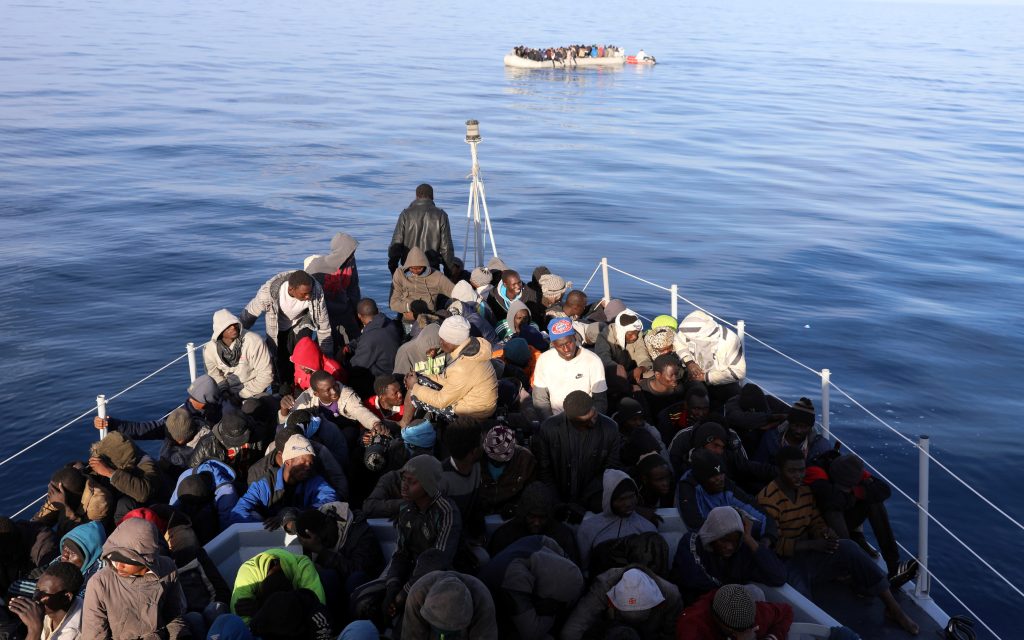
The recent capsizing of a migrant boat off the coast of Libya, resulting in multiple fatalities and missing persons, underscores the ongoing humanitarian crisis in the Central Mediterranean. This incident, which involved over 100 individuals, highlights the perilous conditions faced by migrants and the inadequacies of current search and rescue operations. The failure of the vessel, attributed to overcrowding and unseaworthy conditions, reflects the broader systemic issues within migration policies and the urgent need for comprehensive reforms to ensure the safety and dignity of migrants.
Strategic Context
The Central Mediterranean has long been recognized as the most dangerous migration route globally, with thousands of individuals risking their lives in search of safety and better opportunities in Europe. Libya, as a primary departure point, has been embroiled in political instability and conflict, which has exacerbated the plight of migrants. The lack of a stable government and effective law enforcement has allowed human smuggling networks to thrive, often leading to overcrowded and unsafe vessels setting sail. This tragic incident is a stark reminder of the human cost associated with these perilous journeys and the urgent need for a coordinated international response.
Historically, the European Union has struggled to formulate a cohesive migration policy that balances humanitarian obligations with border security. The political landscape surrounding migration has been fraught with tensions among member states, often resulting in fragmented approaches to asylum and rescue operations. The recent capsizing incident not only highlights the immediate dangers faced by migrants but also reflects the broader failures of the EU’s migration framework, which has been criticized for prioritizing deterrence over the protection of human rights.
Deep Analysis
The capsizing of the migrant boat off the Libyan coast raises critical questions about the effectiveness of current search and rescue operations in the Central Mediterranean. The involvement of NGOs such as Mediterranea Saving Humans and Sea-Watch is vital, yet their efforts are often hampered by political disputes regarding jurisdiction and operational authority. The delays in rescue operations, as reported, demonstrate a lack of coordination between local authorities and international organizations, which can have fatal consequences for those in distress. This incident serves as a call to action for the EU to establish clearer protocols and enhance cooperation among all stakeholders involved in maritime rescue efforts.
Furthermore, the structural failure of the vessel, attributed to overcrowding and the use of unseaworthy crafts by smugglers, highlights the urgent need for stricter regulations and oversight of human smuggling operations. While the EU has implemented various measures to combat smuggling, the persistent demand for migration and the desperation of individuals fleeing conflict and poverty continue to fuel these dangerous practices. A comprehensive approach that addresses the root causes of migration, alongside enforcement measures, is essential to prevent such tragedies from recurring.
The political motivations behind the EU’s migration policies also warrant scrutiny. The prioritization of border security and deterrence strategies often comes at the expense of humanitarian considerations. The tragic loss of life in the Central Mediterranean reflects a broader systemic failure to protect vulnerable populations. Policymakers must recognize that effective migration management requires a balance between security and humanitarian obligations, ensuring that the rights and dignity of migrants are upheld while addressing the complexities of migration flows.
Impact on Migrants
The direct legal and social impacts of this incident on migrants are profound. For the survivors, the trauma of witnessing such a tragedy can have lasting psychological effects, complicating their integration into host societies. Moreover, the uncertainty surrounding the fate of the missing individuals adds to the distress experienced by their families and communities. The lack of a coordinated response in search and rescue operations not only jeopardizes lives but also undermines the legal protections afforded to migrants under international maritime law, which mandates immediate assistance for those in distress.
Additionally, the incident may exacerbate existing stigmas and xenophobia towards migrants in Europe. As public awareness of such tragedies increases, there is a risk that negative perceptions could lead to stricter immigration policies and reduced support for humanitarian initiatives. It is crucial for policymakers to address these social dynamics and promote a narrative that emphasizes the humanity of migrants, fostering a more compassionate and informed public discourse around migration issues.
Outlook & Conclusion
Looking ahead, the tragic capsizing incident in the Central Mediterranean serves as a critical juncture for migration policy reform in Europe. It underscores the urgent need for a comprehensive and coordinated approach that prioritizes the safety and dignity of migrants while addressing the root causes of migration. Policymakers must engage in meaningful dialogue with all stakeholders, including NGOs, local authorities, and migrant communities, to develop effective strategies that ensure the protection of human rights and prevent future tragedies at sea. The time for action is now, as the lives of countless individuals depend on a collective commitment to reforming migration policies and enhancing search and rescue operations.
Anchor Source: newsx.com | Analyzed by AboMatrix AI Engine