


Trump Era Migration Policies: Challenges and Impacts

Trump Era Migration Policies: Challenges and Impacts
⏱ 3 min read
Executive Summary
Under President Donald Trump’s administration, significant shifts in migration policies have emerged, including attempts to alter birthright citizenship and the deportation of migrants to remote locations like Palau. These changes reflect broader geopolitical strategies and domestic priorities, with profound implications for migrants and refugees seeking stability in the United States.
Strategic Context
Historical Context of U.S. Migration Policies
Migration policies in the United States have long been shaped by the interplay of economic needs, national security concerns, and humanitarian obligations. The principle of birthright citizenship, enshrined in the 14th Amendment since 1868, has been a cornerstone of U.S. immigration law, granting citizenship to anyone born on U.S. soil regardless of parental status. This principle has faced challenges over the years, particularly during periods of heightened political debate over immigration.
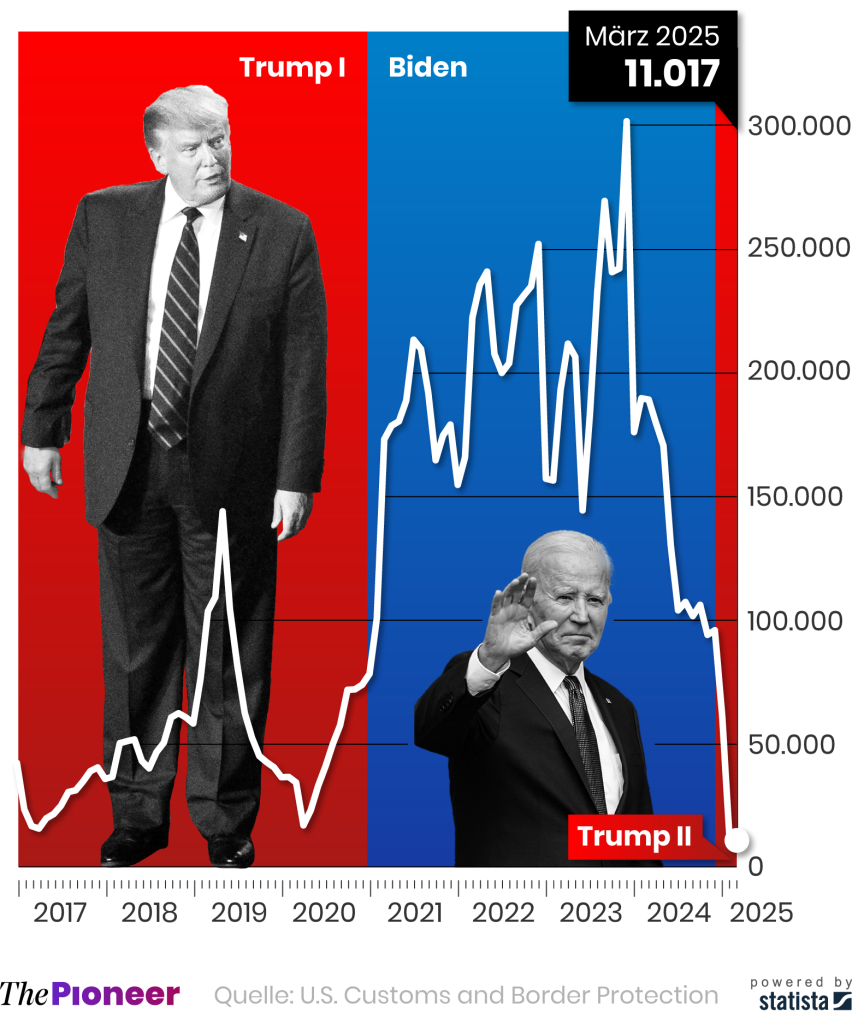
Under President Trump’s administration, migration policies have taken a more restrictive turn, emphasizing border security, deportations, and legal reforms. These measures align with Trump’s broader political agenda of prioritizing national sovereignty and reducing unauthorized immigration. However, they have sparked significant legal and ethical debates, particularly concerning their impact on vulnerable populations.
In-Depth Analysis
Policy Motivations and Strategic Goals
President Trump’s attempt to limit birthright citizenship through executive action reflects his administration’s broader goal of curbing unauthorized immigration. By targeting children born to non-citizens, Trump sought to redefine the scope of citizenship and reduce incentives for migrants to enter the U.S. However, the Supreme Court’s decision to uphold the principle underscores the enduring strength of constitutional protections.
Another notable policy shift involves the deportation of migrants to Palau, a remote Pacific island nation. This strategy appears to serve dual purposes: reducing the domestic migrant population and leveraging international agreements to offload responsibilities. While such measures may alleviate immediate pressures on U.S. immigration systems, they raise questions about ethical obligations and the long-term viability of such arrangements.
These policies are further contextualized by Trump’s broader economic and geopolitical strategies, including his focus on cryptocurrency and deregulation. By fostering economic growth through digital innovation, Trump aims to position the U.S. as a global leader, even as his migration policies prioritize domestic stability over international humanitarian commitments.
Impact on Migrants
Legal and Human Implications
The Supreme Court’s decision to uphold birthright citizenship provides critical legal protection for children born in the U.S., ensuring their access to citizenship regardless of parental status. This ruling safeguards the rights of thousands of families and prevents potential statelessness among vulnerable populations.
Conversely, the deportation of migrants to Palau introduces significant challenges. Migrants sent to such remote locations face isolation, limited access to resources, and difficulties integrating into unfamiliar societies. These measures disproportionately affect refugees and asylum seekers, undermining their prospects for stability and security. The policy highlights the need for more humane and sustainable approaches to migration management.
Outlook & Conclusion
As migration policies under Trump’s administration continue to evolve, their long-term implications remain uncertain. While legal protections like birthright citizenship endure, restrictive measures and deportations pose significant challenges for migrants and refugees. Future administrations must balance national interests with ethical obligations to ensure equitable and sustainable migration systems.

Prepared & Analyzed by: Migration Policy Unit | AboMatrix