


Trump’s Migration Policies: A Turning Point for Refugees

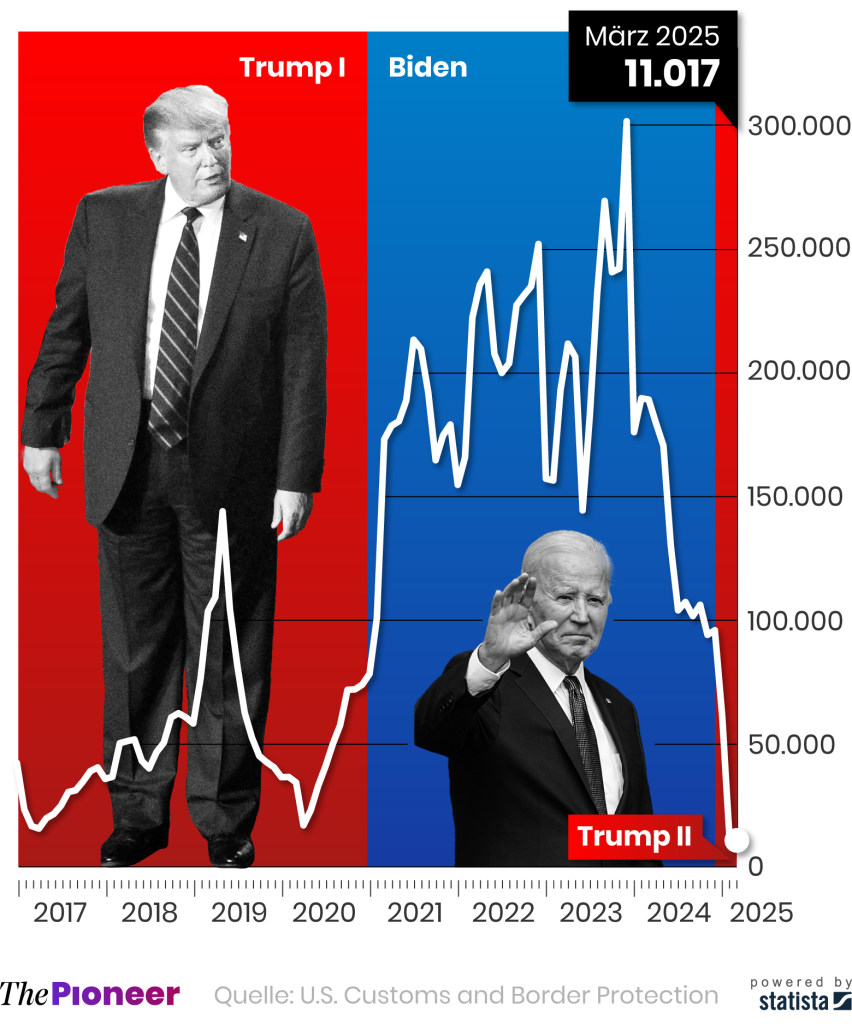
Trump’s Migration Policies: A Turning Point for Refugees
⏱ 3 min read
Executive Summary
As the United States celebrates its 250th Independence Day, President Donald Trump’s administration has introduced significant shifts in migration policies. These changes emphasize national identity, restrict pathways to citizenship, and prioritize security, sparking debates about their implications for migrants and refugees globally.
Strategic Context
Historical Context: America’s Legacy of Immigration
The United States has long been a beacon for immigrants, with its foundational ethos rooted in freedom and opportunity. From Ellis Island to modern-day visa programs, America has historically welcomed those seeking a better life. However, migration policies have often reflected the political climate, oscillating between openness and restriction.
Under President Trump’s administration, the narrative has shifted dramatically. His speeches, such as the one delivered at Mount Rushmore, emphasize a vision of American identity that prioritizes security, sovereignty, and cultural preservation. This marks a departure from previous administrations that championed diversity as a strength.
In-Depth Analysis
Policy Motivations: National Identity and Security
President Trump’s migration policies are deeply intertwined with his broader political ideology. By framing immigration as a threat to American identity, he appeals to a base concerned about cultural and economic shifts. His rhetoric often positions migrants as competitors for jobs or as potential security risks, reinforcing the need for stricter border controls.
Another driving factor is the administration’s emphasis on sovereignty. Trump’s call to protect “American freedom” aligns with policies that limit pathways to citizenship and increase vetting processes. This approach seeks to ensure that only those deemed fully aligned with American values are granted entry.
Finally, Trump’s policies reflect a strategic move to consolidate political power. By proposing election reforms and linking them to migration debates, he aims to galvanize support among voters who prioritize national security and identity.
Impact on Migrants
Legal and Social Implications for Migrants
The tightened migration policies under Trump’s administration have direct legal consequences for migrants and refugees. Stricter visa requirements and reduced asylum quotas mean fewer opportunities for individuals fleeing conflict or seeking economic stability. For many, the dream of becoming part of the American fabric is increasingly out of reach.
Socially, these policies contribute to a climate of exclusion. Migrants may face heightened discrimination and reduced access to resources, as the narrative surrounding immigration shifts towards skepticism. However, advocates argue that these challenges underscore the resilience of migrant communities and their contributions to society.
Outlook & Conclusion
As the United States navigates these policy shifts, the future of migration remains uncertain. While Trump’s administration prioritizes security and identity, the global community continues to advocate for compassion and inclusivity. The coming years will test America’s ability to balance these competing values.

Prepared & Analyzed by: Migration Policy Unit | AboMatrix