


Unveiling the Shadows: The Lasting Lessons of Chernobyl

Unveiling the Shadows: The Lasting Lessons of Chernobyl
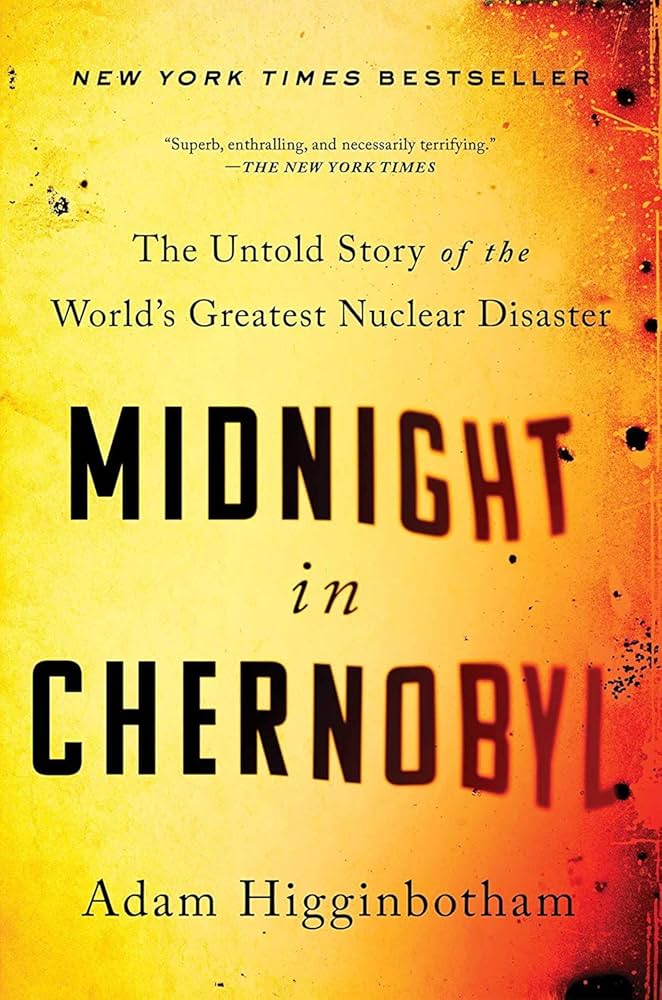
📚 Book Info: Midnight in Chernobyl: The Untold Story of the World’s Greatest Nuclear Disaster by Adam Higginbotham (2019)
In Brief
In ‘Midnight in Chernobyl’, Adam Higginbotham meticulously unravels the harrowing events surrounding the catastrophic nuclear disaster of April 26, 1986. Drawing from extensive research and firsthand accounts, Higginbotham not only chronicles the immediate chaos and human suffering but also delves into the systemic failures that led to one of the most significant technological disasters in history. This gripping narrative serves as a stark reminder of the fragility of human ingenuity and the dire consequences of negligence, resonating powerfully in today’s context of global nuclear energy debates and environmental crises.
Core Ideas
- The catastrophic failure at Chernobyl was not merely an accident but the result of systemic flaws within the Soviet Union’s political and technological frameworks.
- Human error, compounded by a lack of transparency and accountability, played a crucial role in the disaster’s escalation.
- The long-term health and environmental impacts of the Chernobyl disaster continue to affect the region and serve as a cautionary tale for nuclear energy policies worldwide.
- The narrative of Chernobyl reflects broader themes of power, secrecy, and the struggle for truth in the face of overwhelming institutional denial.
Deep Read
Higginbotham’s narrative is not just a recounting of events; it is a profound exploration of the human condition under extreme duress. The author paints a vivid picture of the chaos that ensued after the reactor explosion, highlighting the bravery of first responders and the tragic consequences of their actions. Through detailed interviews and archival research, he reveals the bureaucratic indifference that exacerbated the disaster, illustrating how a culture of secrecy and fear stifled critical communication and decision-making. This exploration of human error and institutional failure is particularly relevant today, as nations grapple with the challenges of managing complex technologies in an increasingly interconnected world.
Moreover, Higginbotham draws parallels between the Chernobyl disaster and contemporary issues surrounding nuclear energy, environmental policy, and governmental transparency. As Europe and the world face renewed debates about nuclear power in the context of climate change, the lessons from Chernobyl remain pertinent. The book serves as a reminder that the stakes are high when it comes to energy policy, and that the ghosts of Chernobyl still linger in the shadows of our modern energy infrastructure. The narrative compels readers to confront uncomfortable truths about the balance between technological advancement and ethical responsibility.
💡 Why It Matters Now
In an era where the implications of climate change are increasingly urgent, ‘Midnight in Chernobyl’ is essential reading for policymakers, environmentalists, and the public alike. The book underscores the necessity for transparency, accountability, and rigorous safety standards in nuclear energy practices. As Europe seeks to transition to sustainable energy sources while considering the role of nuclear power, understanding the historical context and the lessons learned from Chernobyl can inform better decision-making and prevent future disasters.
Conclusion
Adam Higginbotham’s ‘Midnight in Chernobyl’ is more than a historical account; it is a clarion call for vigilance and responsibility in the face of technological advancement. By illuminating the past, Higginbotham empowers readers to engage critically with the present and future of energy policy, ensuring that the mistakes of Chernobyl are not repeated. As we navigate the complexities of modern energy needs, the echoes of Chernobyl remind us that the pursuit of progress must never come at the cost of human life and environmental integrity.