


Venezuela’s Earthquake Crisis: Migration Policy Implications

Venezuela’s Earthquake Crisis: Migration Policy Implications
⏱ 3 min read
Executive Summary
The devastating earthquakes in Venezuela have exposed critical weaknesses in state capacity, prompting urgent international and domestic policy shifts to address migration, humanitarian aid, and institutional reform. This analysis explores the implications for migrants and refugees seeking safety and stability.
Strategic Context
Geopolitical and Historical Background
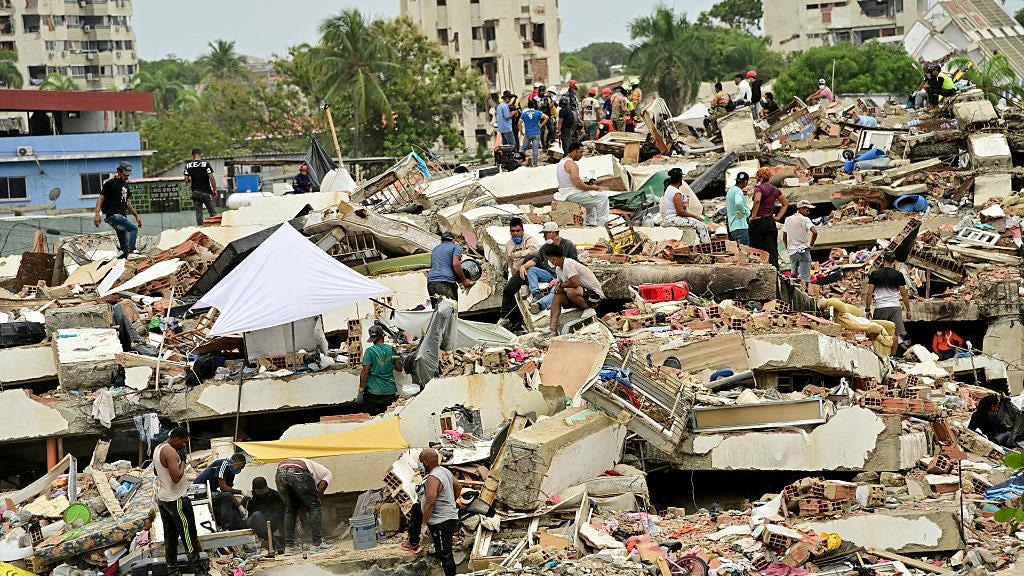
Venezuela has faced decades of political and economic instability, marked by authoritarian centralization, widespread corruption, and the erosion of institutional capacities. These challenges have been compounded by mass migration, with millions fleeing poverty, violence, and political repression. The earthquakes of June 2026 have further exposed the fragility of the state, highlighting its inability to respond effectively to crises.
Historically, Venezuela’s governance has been characterized by the concentration of power in the executive branch, undermining local and regional institutions. This centralization has left the country ill-equipped to handle emergencies, as demonstrated by the inadequate response to the recent disaster. The earthquakes have intensified calls for decentralization, transparency, and international cooperation to rebuild trust and capacity.
In-Depth Analysis
Policy Motivations and Challenges
The Venezuelan government’s declaration of a $200 million reconstruction fund is a critical step, but its effectiveness depends on addressing systemic corruption and inefficiency. International aid organizations have emphasized the need for transparent mechanisms to ensure that resources reach affected communities rather than being diverted.
Migration policies are also under scrutiny. The earthquakes have displaced tens of thousands, adding to the already significant outflow of Venezuelans seeking asylum abroad. Neighboring countries and international bodies must adapt their policies to accommodate this surge, balancing humanitarian needs with domestic political considerations.
Furthermore, the crisis has highlighted the importance of decentralization. Empowering local governments and civil society organizations can enhance disaster response and rebuild social trust. This requires constitutional reforms and international support to strengthen institutional capacities at all levels.
Impact on Migrants
Legal and Human Implications
The earthquakes have exacerbated the vulnerabilities of migrants and refugees, many of whom lack legal status or access to basic services. Host countries must streamline asylum processes and provide temporary protection measures to accommodate the influx of displaced Venezuelans.
Socially, the crisis has underscored the resilience of migrant communities, who often rely on informal networks for support. Policies that foster integration, such as language training, employment opportunities, and community-building initiatives, can help migrants rebuild their lives while contributing to host societies.
Outlook & Conclusion
Future Outlook
The Venezuelan earthquake crisis is a stark reminder of the interconnectedness of governance, migration, and humanitarian aid. Addressing these challenges requires a coordinated international effort to rebuild institutions, support displaced populations, and promote long-term stability. The path forward will test the resilience and solidarity of both Venezuela and the global community.

Prepared & Analyzed by: Migration Policy Unit | AboMatrix