


Germany’s Political Landscape: Rising Populism and Shifting Foreign Policy Dynamics

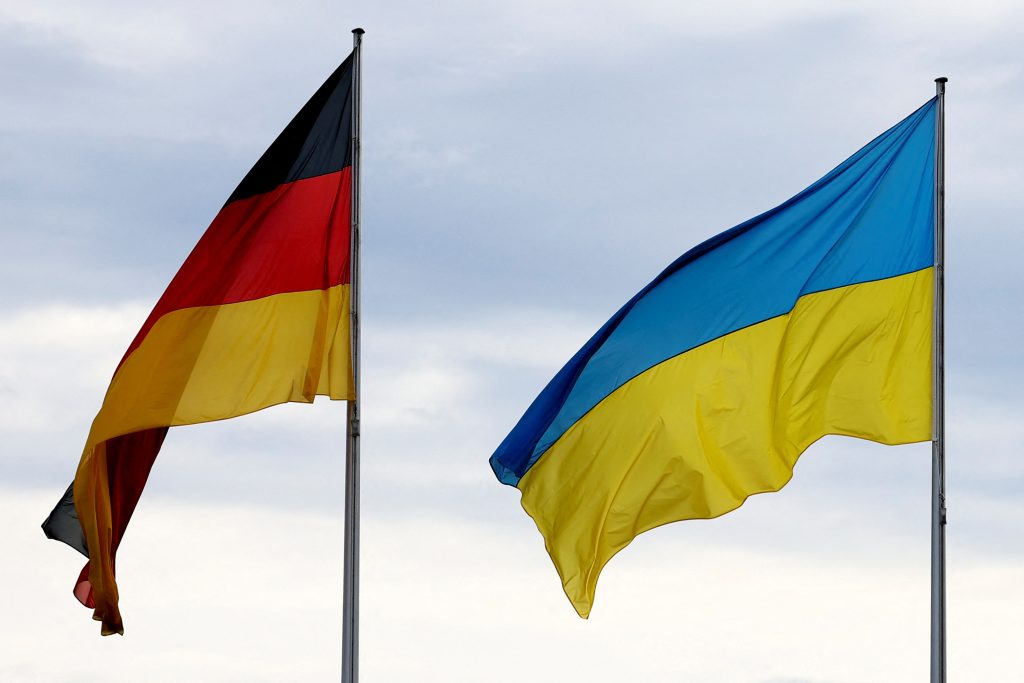
Germany’s Political Landscape: Rising Populism and Shifting Foreign Policy Dynamics
Germany’s Political Landscape: Rising Populism and Shifting Foreign Policy Dynamics
Germany’s political equilibrium is under pressure as populist parties gain traction, challenging traditional governance norms and foreign policy stances. The rise of the AfD and radical left factions, coupled with growing skepticism toward Ukraine support, signals potential shifts in Germany’s domestic and international strategies. This analysis explores the implications for European stability and Germany’s role as a geopolitical anchor.
Geopolitical & Strategic Context
Historical Context and Political Shifts
Germany has long been regarded as a stabilizing force in European politics, particularly in its commitment to democratic values and multilateralism. Since the Russian invasion of Ukraine, Berlin has played a pivotal role in supporting Kyiv, both militarily and diplomatically. However, recent electoral gains by the far-right Alternative für Deutschland (AfD) and radical left factions in states like Saxony-Anhalt and Berlin indicate a growing discontent among voters with traditional parties.
The AfD’s ascent to becoming the strongest parliamentary faction in certain regions reflects broader dissatisfaction with mainstream policies, particularly on immigration and economic reform. Similarly, the radical left’s success in Berlin underscores ideological divides within the electorate, with factions advocating for closer ties to Russia and opposing Germany’s robust support for Ukraine.
“Germany’s political landscape is increasingly fragmented, raising questions about its ability to maintain a unified foreign policy stance.”
Foreign Policy Under Strain
Germany’s unwavering support for Ukraine has been a cornerstone of its foreign policy, but this consensus is showing cracks. A recent ARD-Deutschlandtrend survey revealed that while 56% of Germans view Russia as a security threat, 42% believe weapons deliveries to Ukraine have gone too far—a significant increase from previous years. This shift is compounded by calls from pacifist factions within the SPD and skepticism from CDU leaders in states like Saxony.
These developments come at a critical juncture, as Germany faces mounting pressure to balance its domestic priorities with its international obligations. The erosion of public support for Ukraine could weaken Germany’s leadership role in European security and embolden Russia’s geopolitical ambitions.
Strategic Implications
- ♦ The rise of populist parties like the AfD could destabilize Germany’s political cohesion and policy consistency.
- ♦ Growing skepticism toward Ukraine support may weaken Germany’s position as a European security leader.
- ♦ Electoral gains by radical factions could lead to policy shifts favoring isolationism or reduced multilateral engagement.
- ♦ Germany’s internal political fragmentation risks undermining its credibility in international negotiations.
Future Trajectories
Potential Developments in Domestic and Foreign Policy
Domestically, the rise of populist and radical parties will likely force traditional parties like the CDU, SPD, and Greens to recalibrate their strategies. This may involve adopting more centrist or populist rhetoric to regain voter trust, potentially leading to policy compromises that dilute Germany’s historical commitment to progressive governance.
On the international stage, Germany’s foreign policy could face significant recalibration. If public and political support for Ukraine wanes further, Berlin may reduce its military aid or push for diplomatic solutions that align with isolationist sentiments. Such a shift would have profound implications for European security, potentially weakening collective efforts to counter Russian aggression.
Additionally, Germany’s role in the EU may evolve as it navigates internal political challenges. A fragmented domestic landscape could hinder Berlin’s ability to lead on critical issues like migration, climate change, and economic reform, thereby reshaping its influence within the bloc.

Prepared & Analyzed by: Strategic Studies Desk | AboMatrix