


CDU’s Diplomatic Shuffle: Wüst Sees Erdoğan Amid Unrest and Fading Election Momentum

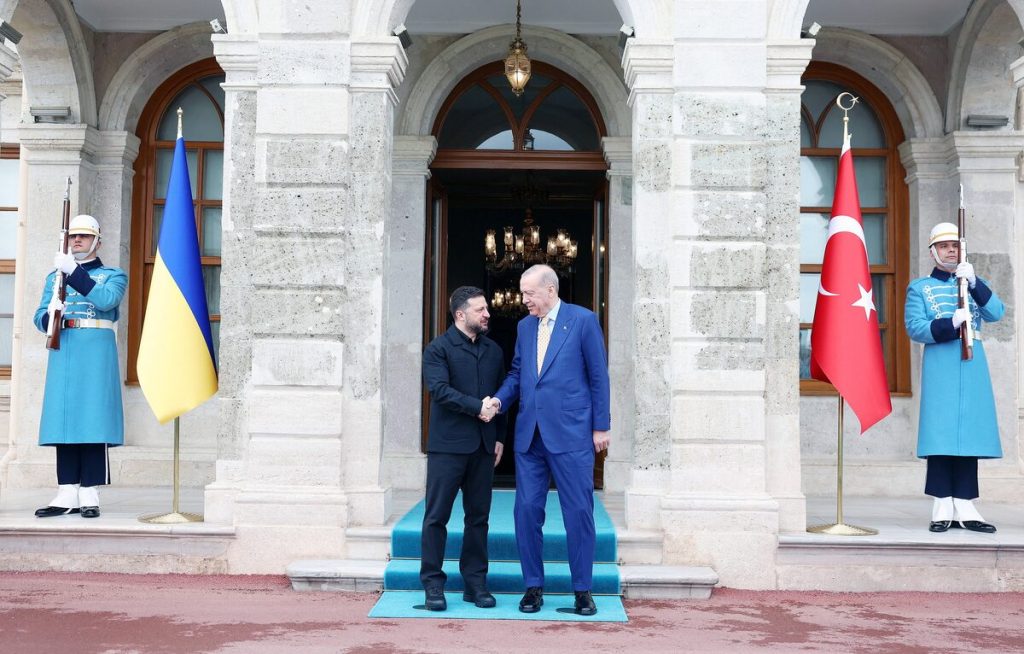
CDU’s Diplomatic Shuffle: Wüst Sees Erdoğan Amid Unrest and Fading Election Momentum
CDU’s Diplomatic Shuffle: Wüst Sees Erdoğan Amid Unrest and Fading Election Momentum
🔹 The Official Illusion:
Hendrik Wüst’s visit to Turkey is framed as a diplomatic exchange to strengthen bilateral economic ties.
🛑 The Parallel Truth:
The visit of CDU’s NRW Minister-President Hendrik Wüst to Turkish President Recep Tayyip Erdoğan appears, on the surface, to be a harmless exercise of diplomatic dialogue aimed at fostering economic and cultural ties. Yet, examining the deeper political rhythm and historical echoes of such moves, an unsettling parallel emerges between CDU’s faltering domestic position and its strategic recalibration abroad.
Firstly, the timing of this high-profile visit shortly after the CDU’s internal troubles—Spahn’s resignation from the public finance commission and criticisms of leadership from within—suggests desperation to pivot international attention away from discord within the party ranks, especially ahead of upcoming electoral hurdles. The CDU, plagued by post-election stagnation and a deteriorating public image, seems to regard Turkey as a theater for projecting fleeting global relevance, with Erdoğan’s authoritarian grip providing a stage for mutual image consolidation.
Secondly, historically, Turkey has served as a crossroads of geopolitical maneuvers for German domestic politics. Whether it be prior engagements by Merkel or Schröder targeting Turkish EU accession talks, the narrative has often oscillated between unity-building rhetoric and the securitization of borders. Wüst’s choice to spotlight this relationship ties into deeper calculations around rallying conservative Turkish diaspora voters in Germany—an often ignored yet potent electoral swing bloc. Erdoğan, conversely, benefits by showcasing Germany’s engagement amid his own geopolitical isolation.
This strategy reeks not only of opportunistic pragmatism but also of a faint echo of Machiavellian duplicity—a tactical narrative shift designed to repair CDU’s optics while potentially destabilizing broader European unity. Are we, after all, witnessing a transactional symphony of mutual survival politics rather than genuine diplomacy?
⚖️ Shadow Map (Winners & Losers):
- 🏆/💀 Winners: Erdoğan gains image reinforcement internationally amidst tensions over EU and NATO dynamics. CDU shores up its appeal among conservative migrant voters.
- 🏆/💀 Losers: SPD and Greens, facing intensified competition for diaspora votes and potential erosion of German-Turkish policy consistency.
- 🏆/💀 Victims: Broader EU cohesion as Germany entertains bilateral moves with Turkey outside unified European frameworks post-migrant crisis.
♟️ The Next Move:
Domestically, Greens and SPD are expected to take a critical stance, highlighting the polarization risks such engagements create—Erdoğan’s governance model runs fundamentally counter to European democratic principles. This criticism, however, will be weaponized by CDU strategists to solidify their conservative base, effectively transforming Erdoğan into an ideological counterbalance against liberal critiques.
Meanwhile, CDU insiders might initiate subtle preparations for strategic alliances within the bloc targeting next year’s votes, seeking to draft narratives of strong leadership capable of talking across the broad spectrum—from Berlin to Ankara. Turkey, in response, would seek soft lobbying facilitation through German counterparts for expanded EU negotiations on customs unions and migrant pathways.
Ultimately, expect a messy confluence of narratives designed for short-term optic boosts, leaving long-term impacts both in Germany’s public sphere and intercontinental relations dangerously unpredictable.