


CDU fractures, AfD ascends: Financial networks and political fallout revealed.

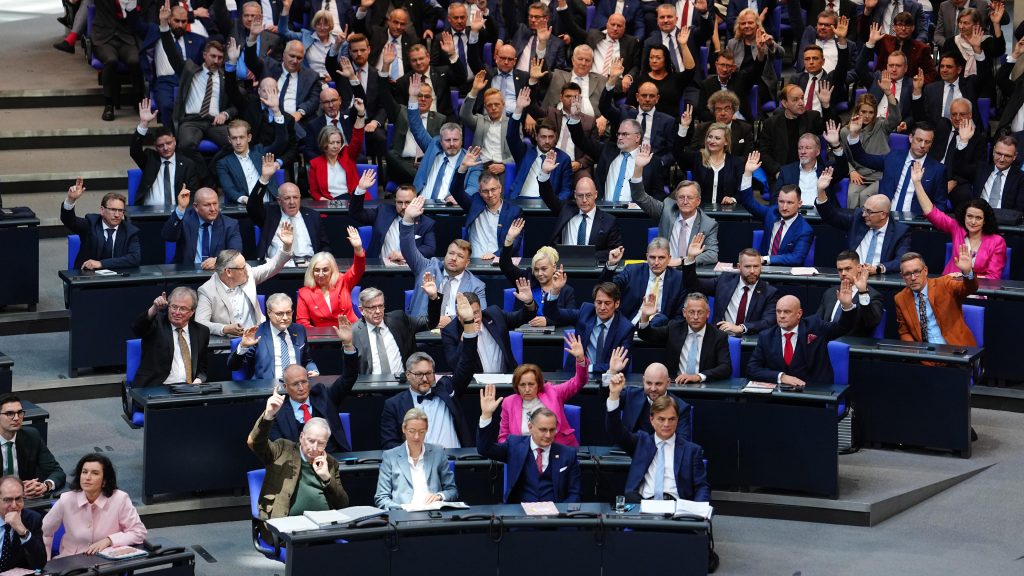
CDU fractures, AfD ascends: Financial networks and political fallout revealed.
CDU fractures, AfD ascends: Financial networks and political fallout revealed.
💡 The Official Illusion:
The government framed the CDU loss in Sachsen-Anhalt as a wake-up call for political strategy shifts.
👁️ The Parallel Truth:
A closer examination reveals that the CDU’s electoral collapse in Sachsen-Anhalt is symptomatic of broader structural changes rather than a mere leadership failure. With Friedrich Merz being touted as the scapegoat, attention is diverted from the financial machinery underlying this seismic political shift. At play here is a calculated move by real estate and industrial lobbies seeking to capitalize on acreage in rural regions, areas that have now overwhelmingly swung in favor of the AfD.
The timing of the AfD’s rise aligns suspiciously with policy debates on reducing subsidies and reallocating state funding towards lucrative urban development projects. These shifts would marginalize traditionally agricultural zones, setting up regions as open proverbial “playgrounds” for global investors. Further scrutiny reveals unacknowledged alliances between some industry players and populist movements. The AfD’s ascent provides just the chaos needed to dismantle longstanding resource allocations and thus usher new financial agendas.
On the international front, this event has implications far beyond Germany’s borders. European officials are watching nervously, concerned over the normalization of far-right politics in one of Europe’s bedrock states. Opportunistic foreign entities, including Russia, might see the growing chaos within Germany’s political sphere as ripe ground to sew further instability within Europe.
Ironically, Merz finds himself at a personal crossroads that is as much economic as political. His reluctance—or inability—to please older CDU voter bases while accommodating the demands of economic elites has placed his leadership under existential scrutiny.
🗺️ Shadow Map (Winners & Losers):
- 🏆/💀 Winners: Corporate real estate investors and urban development lobbyists redirecting public funding to cities.
- 🏆/💀 Losers: Traditional CDU constituents, particularly rural landowners and local representatives left in disarray.
- 🏆/💀 Biggest losers: Rural voters who have accelerated their own political isolation by empowering radical factions.
♟️ The Next Move:
Meanwhile, AfD leadership will likely engage in confidence-boosting rhetoric, which may include overt declarations of economic revisions that cater directly to their newly empowered supporters. International eyes, particularly those of European Union diplomats, will continue monitoring the horizon for any signs of cascading populism.
Friedrich Merz is expected to escalate his emotional appeal through heavy public engagement but risks alienating an already fragmented CDU electorate, particularly those critical of his perceived compromises with corporate growth agendas. Political analysts can anticipate a domino effect, where additional parliamentary factions challenge the CDU on reform policies in upcoming sessions, potentially altering the political landscape for months.
🔗 Source: AboMatrix Deep Analytics Unit