


US Supreme Court Upholds Birthright Citizenship Amid Political Debate

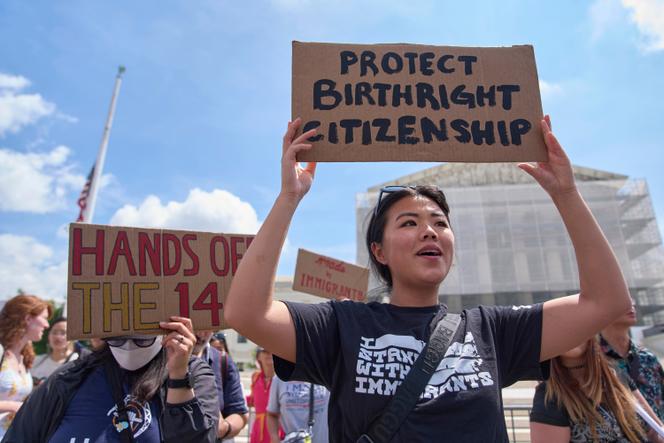
US Supreme Court Upholds Birthright Citizenship Amid Political Debate
⏱ 3 min read
Executive Summary
The US Supreme Court has rejected former President Donald Trump’s attempt to end birthright citizenship, reaffirming the 14th Amendment’s guarantee that all individuals born in the United States are citizens, regardless of their parents’ immigration status. This decision preserves a cornerstone of American identity and ensures protection for millions of children born to noncitizen parents, amidst growing political and legal challenges to citizenship rights.
Strategic Context
Historical Roots of Birthright Citizenship
Birthright citizenship in the United States is enshrined in the 14th Amendment of the Constitution, ratified in 1868 during the Reconstruction Era. It was originally designed to grant citizenship to formerly enslaved individuals and their descendants, ensuring equal rights under the law. Over time, this principle has evolved into a broader guarantee that anyone born on US soil is entitled to citizenship, regardless of their parents’ nationality or immigration status.
Globally, birthright citizenship is not unique to the US. Over 30 countries, including Canada, Mexico, and Brazil, offer similar policies, though the criteria vary. In contrast, many European and Asian nations tie citizenship to parental nationality or residency, reflecting differing historical and cultural approaches to national identity.
In-Depth Analysis
Motivations Behind Trump’s Policy Proposal
Former President Trump’s push to end birthright citizenship was rooted in his broader ‘America First’ immigration agenda. He argued that the policy incentivized unauthorized immigration and allowed foreign nationals to unfairly access US benefits. This rhetoric resonated with his political base, which viewed immigration reform as a cornerstone of his presidency.
However, critics, including legal scholars and human rights organizations, highlighted the constitutional and logistical challenges of such a proposal. The 14th Amendment’s language is clear and has been consistently upheld by courts for over 150 years. Any attempt to reinterpret it would likely face significant legal hurdles, as demonstrated by the Supreme Court’s recent ruling.
Beyond legal constraints, the administrative implications of ending birthright citizenship would have been immense. Determining citizenship at birth based on parental status would require a complex bureaucratic system, potentially leading to widespread confusion, delays, and errors. This could disproportionately affect marginalized communities, including migrants and refugees.
Impact on Migrants
Legal and Social Implications for Migrants
The Supreme Court’s decision to uphold birthright citizenship is a significant relief for millions of migrants and their children. Each year, approximately 255,000 children are born in the US to noncitizen parents. Without birthright citizenship, many of these children could face statelessness, especially if their parents’ home countries do not grant citizenship to children born abroad.
Socially, the ruling reinforces the principle of inclusion and equality, affirming that all individuals born in the US are part of the national fabric. However, the political debate surrounding citizenship has highlighted vulnerabilities in the system, including efforts to tighten voting requirements and establish denaturalization offices. Migrants must remain vigilant as these policies could indirectly affect their rights and access to resources.
Outlook & Conclusion
The Supreme Court’s decision marks a pivotal moment in the ongoing debate over immigration and citizenship in the US. While the ruling preserves a fundamental constitutional right, the political discourse surrounding birthright citizenship underscores the need for continued advocacy and vigilance to protect migrants’ rights. The future of immigration policy will likely remain a contentious issue, shaping the nation’s identity and values for years to come.

Prepared & Analyzed by: Migration Policy Unit | AboMatrix